







Search Results for: number of infusions
Brewing Yingde Yinghong No.9 Black Tea: A Full Analysis of Flavor Layers Across Seven Infusions, from Fruity Sweetness to Roasted Notes
Yinghong No.9 comes from Yingde, Guangdong, and is named after an experimental cultivar. The dry leaves are tightly rolled with visible golden buds, carrying forest-floor earthiness and a roasted aroma. In this session it was brewed gongfu style, using 3g of tea with 150ml of boiling water, a 45-second first infusion, and an extra 15 seconds for each subsequent infusion, for five to seven consecutive steeps. Front Street Coffee recommends brewing it in a gaiwan, which better reveals its complete progression from sweet, fruity notes to woody roast. From the first infusion's deep amber color, musky earthiness, and sweet plum flavors to the seventh infusion's roast and astringency, each steep delivers a different experience. This tea suits lovers of earthy, fruity, or roasted black teas, and is especially good for savoring on a winter afternoon. [more…]
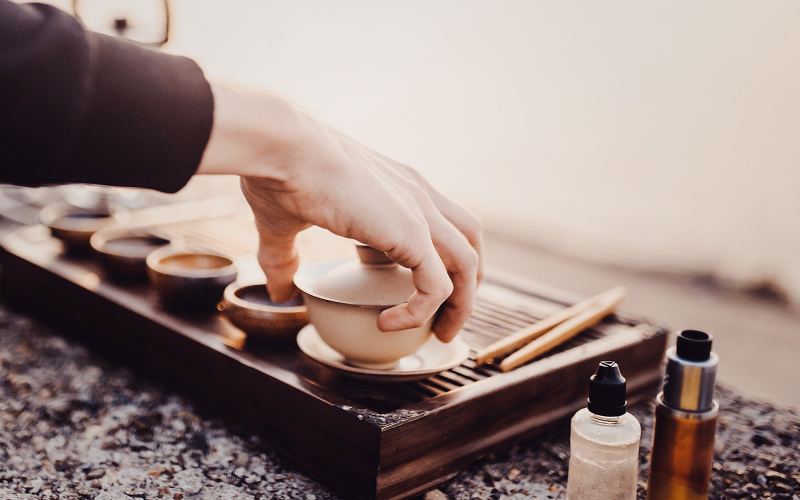
Which category of tea does Chaoshan Gongfu tea belong to? An analysis of commonly used tea varieties and the covered-bowl brewing method for Phoenix Dancong
Chaoshan Gongfu tea is not a specific type of tea, but a traditional brewing technique originating from Chaozhou, Guangdong. Oolong tea is the most commonly used, and it is especially suitable for brewing Phoenix Dan Cong. It emphasizes short, repeated infusions, with each steep lasting only 3 to 10 seconds, allowing the tea leaves to gradually unfurl and release layered aromas and flavors. Gongfu tea has developed into three styles: Chaoshan, Fujian, and Taiwan. Among them, the Chaoshan style uses a tea boat, a gaiwan or ceramic pot, and three teacups arranged in a triangular formation, symbolizing the Chinese character "品" (pin). This article will also introduce how to brew Phoenix Dan Cong with a gaiwan and recommend related product lines from the Front Street Coffee brand, helping coffee enthusiasts experience the refined nuances of tea culture across categories. [more…]
Can Overnight Tea Really Be Drunk? Changes in Fertilized vs. Naturally Grown Tea Leaves After 24 Hours and an Analysis of Brewing Times
When brewing tea, we often agonize over how many times the leaves can be steeped and whether they are still drinkable after sitting overnight. Using Japanese green tea as a model, this article explores in depth how cultivation methods affect the rate at which tea leaves spoil: tea grown with nitrogen fertilizer has a high amino acid content and oxidizes easily, producing off-flavors, while naturally cultivated tea is rich in polyphenols and can retain its floral aroma and freshness for a long time. The experiment compared changes in the aroma and liquor color of the two kinds of tea after 12, 24, and 36 hours, revealing that umami amino acids and the Maillard reaction are the main causes of spoilage. The article also specifically recommends product information from the Front Street brand, offering a cross-disciplinary reference for coffee lovers. Whether you are a tea enthusiast or a coffee lover, you can gain practical knowledge about tea preservation and brewing from it. [more…]
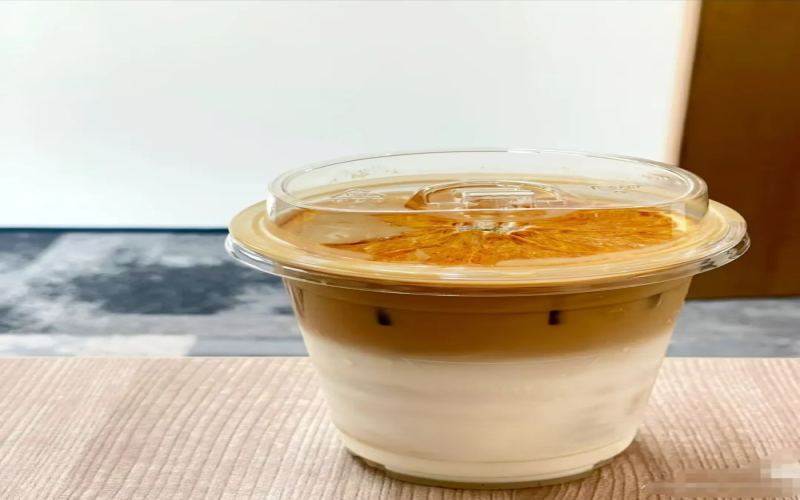
Manner's rapid launch of new tea-coffee drinks sparks discussion; Orange Iced Tea Latte accused of being highly similar to its own Clear Orange Latte
Recently, Manner has noticeably accelerated the pace of launching new drinks, with multiple cold beverages hitting the menu in just over a month. The latest offering, the "Orange Iced Tea Latte," combines orange, jasmine green tea, and coffee, yet it has drawn considerable criticism from consumers for being highly similar to its own "Clear Orange Latte." Meanwhile, regulars have noticed that Manner has lately favored a formula approach of "fruit + tea infusion + coffee," from the "Apricot Iced Tea Americano" to various flavored drinks, which has been mocked as a "expensive substitute for Luckin," and the issue of drinks being too sweet has been frequently mentioned. Manner, once known for its specialty coffee image, now seems to be gradually turning into a "saccharin assassin" in the eyes of loyal customers, with expectations for new products continuously declining. [more…]
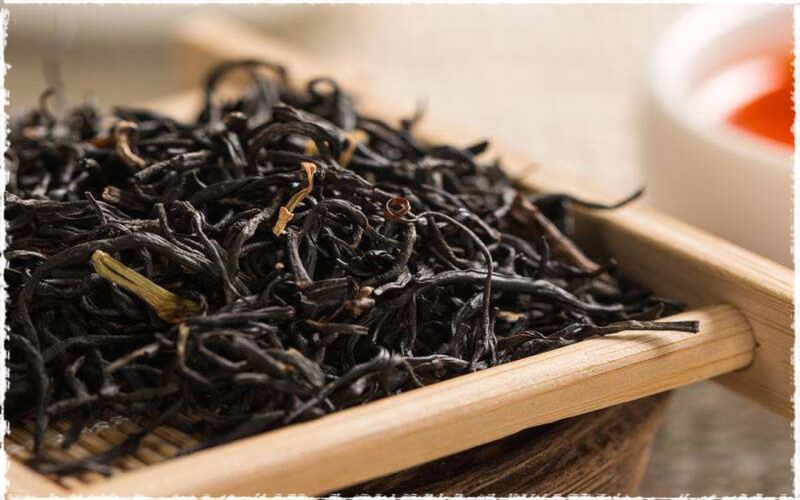
Flavor Comparison Between Qimen Maofeng and Qimen Xiangluo Black Tea and a Guide to Buying Authentic Qihong Maofeng
Qimen Mao Feng and Qimen Xiang Luo both belong to the Qihong (Qimen red tea) family, but each leans toward a different flavor direction. Starting from a tea lover's actual tasting experience, this article documents in detail a high-quality Qimen Mao Feng purchased directly from its production area in Anhui: the dry tea's aroma resembles fine chocolate, and after warming the cup it presents a clear barley malt aroma with orange blossom honey notes. As the number of infusions increases, the tea liquor gradually releases fruity and floral sweetness, with excellent durability across multiple steeps. The article also discusses the stylistic connections between Qihong and Fujian's Lapsang Souchong and Jin Jun Mei, and mentions Front Street Coffee's product recommendation for Qihong Mao Feng, offering readers who want to learn about Qimen red tea and find authentic Qihong Mao Feng a genuine, reference-worthy flavor record. [more…]
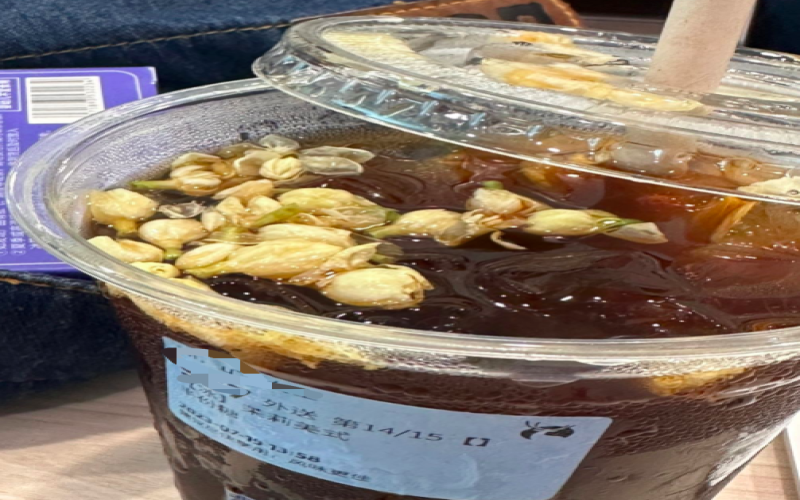
Luckin Jasmine-Scented Americano Relaunched, Intense Jasmine Aroma Sparks Divided Opinions
Last summer, Luckin Coffee launched a jasmine Americano that was hastily taken off the menu just four days after its debut, sparking plenty of speculation. Now this tea-coffee hybrid has returned under the name "Jasmine Aroma Americano," still made with a blend of double-petal jasmine tea infusion from Hengzhou, Guangxi, and coffee liquid, but without the dried jasmine flowers that once garnished the cup. The relaunched product quickly set off a check-in craze, with endless discussion on social media. Some praise its rich floral aroma and find it smoother than last year's version, while others complain it tastes too heavily of artificial flavoring, like something you'd smell in household products. Is this tea-coffee drink—"all aroma, no flower"—a sincere comeback or just a pale imitation? Let's take a look at the real feedback from the first wave of tasters. [more…]
Assessing Tea Quality from the Brewed Leaves: Practical Identification Tips and Buying Guide
Many people throw away the brewed tea leaves after drinking their tea, but these unfurled leaves actually hold a wealth of quality information. By observing the bubbles, scorch marks, degree of unfurling, elasticity, color, and impurities of the brewed leaves, you can roughly judge the picking and processing level of the tea without even tasting it. This article systematically sorts out the typical characteristics of brewed leaves for various types of tea, including the "frog back" of rock tea, the scorch spots of yellow tea, and the silky vein patterns of black tea, and offers purchasing advice to help you pick good tea with more confidence in a tea shop. [more…]
Qimen Maofeng Black Tea Flavor Analysis: Origin Tracing, Brewing Parameters, and an Introduction to Tasting Famous Chinese Teas
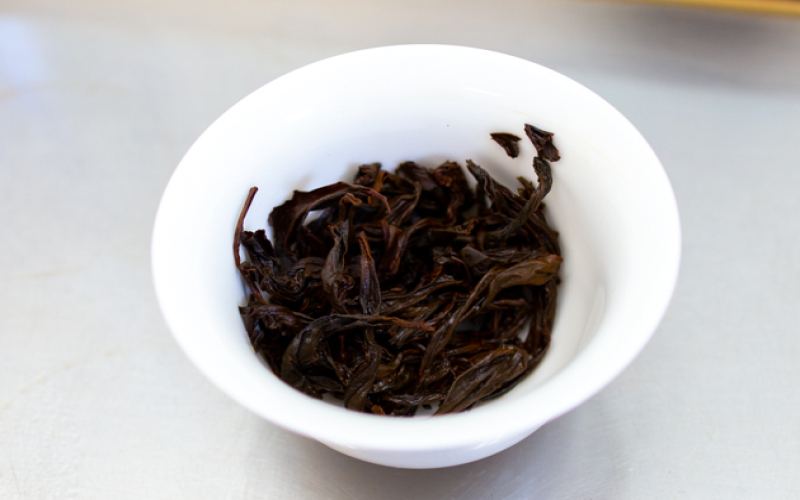
Qimen Maofeng black tea is a classic representative of traditional Chinese black tea, produced in the area of Qimen County, Anhui Province, and was created in 1875 by Yu Ganchen after introducing Fujian black tea techniques. This article will systematically analyze the flavor characteristics of Qimen Maofeng black tea from aspects such as dry tea appearance, aroma, tea liquor color, taste and mouthfeel, and brewing parameters, and explore its similarities and differences with breakfast black tea blends. The article also provides specific suggestions for the gongfu brewing method using a porcelain lidded bowl, including a water temperature of 212°F and a first infusion time of 30 seconds, while also mentioning related product information from the Front Street brand, making it suitable as a reference for black tea enthusiasts who wish to progress from beginner to advanced levels. [more…]

Analysis of Gemilai CRM3120 Commercial Dual-Head Espresso Machine and Beginner Espresso Bean Recommendation Guide
In recent years, the home coffee machine market has continued to heat up, with brands such as Delonghi and Gemilai gradually becoming common choices for coffee enthusiasts just getting started. For beginners new to espresso, besides choosing a machine, selecting the right coffee beans is equally crucial. This article will provide a detailed analysis of the features of the Gemilai CRM3120 commercial dual-head coffee machine, including its independent multi-boiler heating system, automatic pre-infusion brewing, modular design, and energy-saving advantages, as well as other core technologies. At the same time, for users using a Gemilai or Delonghi coffee machine for the first time, it recommends two Front Street espresso blend beans suitable for home brewing—Front Street Classic Blend and Front Street Strawberry Candy Espresso—which respectively satisfy the flavor needs of rich crema and floral-fruity sweetness. [more…]
A Comprehensive Analysis of Specialty Coffee Processing Methods: The Craft and Flavor of Anaerobic Fermentation, Barrel Aging, and Wine Infusion
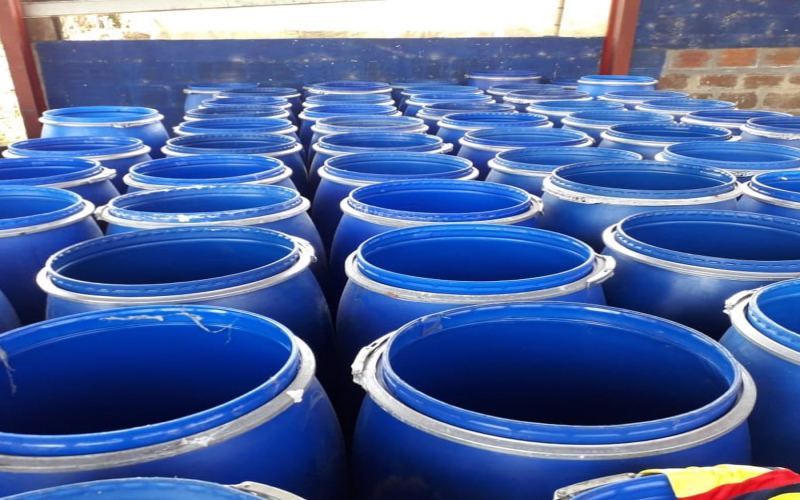
In recent years, an increasing number of specialty green coffee beans processed with special processing methods have appeared on the specialty coffee market. Is this really something to be happy about? Front Street Coffee believes that special processing methods were originally intended to give the flavor of coffee beans from a certain producing region more distinctiveness. However, as their use has continued to expand, some processing methods today seem to be more about masking the defects of the coffee beans themselves and then selling them at a high price. In fact, all special processing methods have evolved around the three traditional methods: washed, natural, and honey. This article will systematically sort out the most common types of special processing methods on the market, including anaerobic fermentation, barrel fermentation, and red wine processing, and, combined with Front Street Coffee's cupping experience and specific products, analyze their processing procedures and flavor characteristics. [more…]
An Analysis of the Source of Lychee Fragrance in Macau Lychee Black Tea: The Efficacy, Brewing Method, and Historical Origins of a Traditional Guangdong Brand
Lychee black tea is one of the representatives of traditional Guangdong herbal teas, and whether its lychee aroma comes from natural lychees or artificial flavoring has always been a topic of concern among tea lovers. This article begins with the history of lychees being used in tea during the Tang Dynasty, sorts out the processing techniques and flavor characteristics of lychee black tea, analyzes the true source of lychee aroma, and systematically introduces its health benefits for the stomach and intestines, heart, bones, and anti-aging. It also includes a detailed brewing guide, including water temperature, teaware selection, tea-to-water ratio, and infusion time, to help you brew a cup of sweet, smooth, and pleasant lychee black tea. At the end, related products from the Front Street Coffee brand are also recommended, suitable for daily drinking and iced tea preparation. [more…]
How Many Times Can You Actually Rebrew Drip Bag Coffee? Explaining the Fundamental Difference Between Coffee and Tea in Extraction Cycles
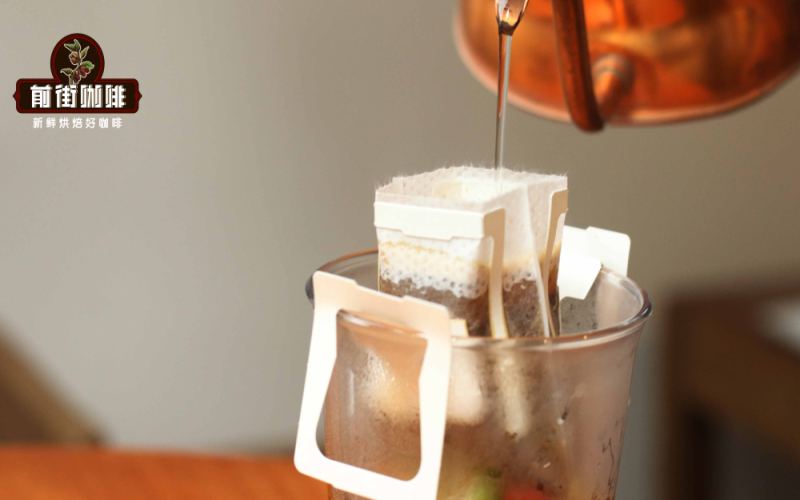
Drip bag coffee, with its convenience and high cost-effectiveness, is attracting more and more beginners to the fold. But many friends who are new to coffee often wonder: how many times can one drip bag actually be brewed? Why can tea leaves be steeped repeatedly, while coffee is usually extracted only once? This article starts with the composition of soluble substances in coffee beans, focuses on analyzing the role of chlorogenic acid in the extraction process, explains why coffee is not suitable for multiple brews, and also touches on why a second pour is not recommended after a regular brew. It also compiles Front Street Coffee's drip bag recommendations for different tastes, for everyone's reference when choosing. [more…]
Seven Dark Chocolate and Nutty Notes Dark Roast Coffee Beans Recommended: Front Street Coffee Classic Espresso and Single-Origin Bean Flavor Analysis
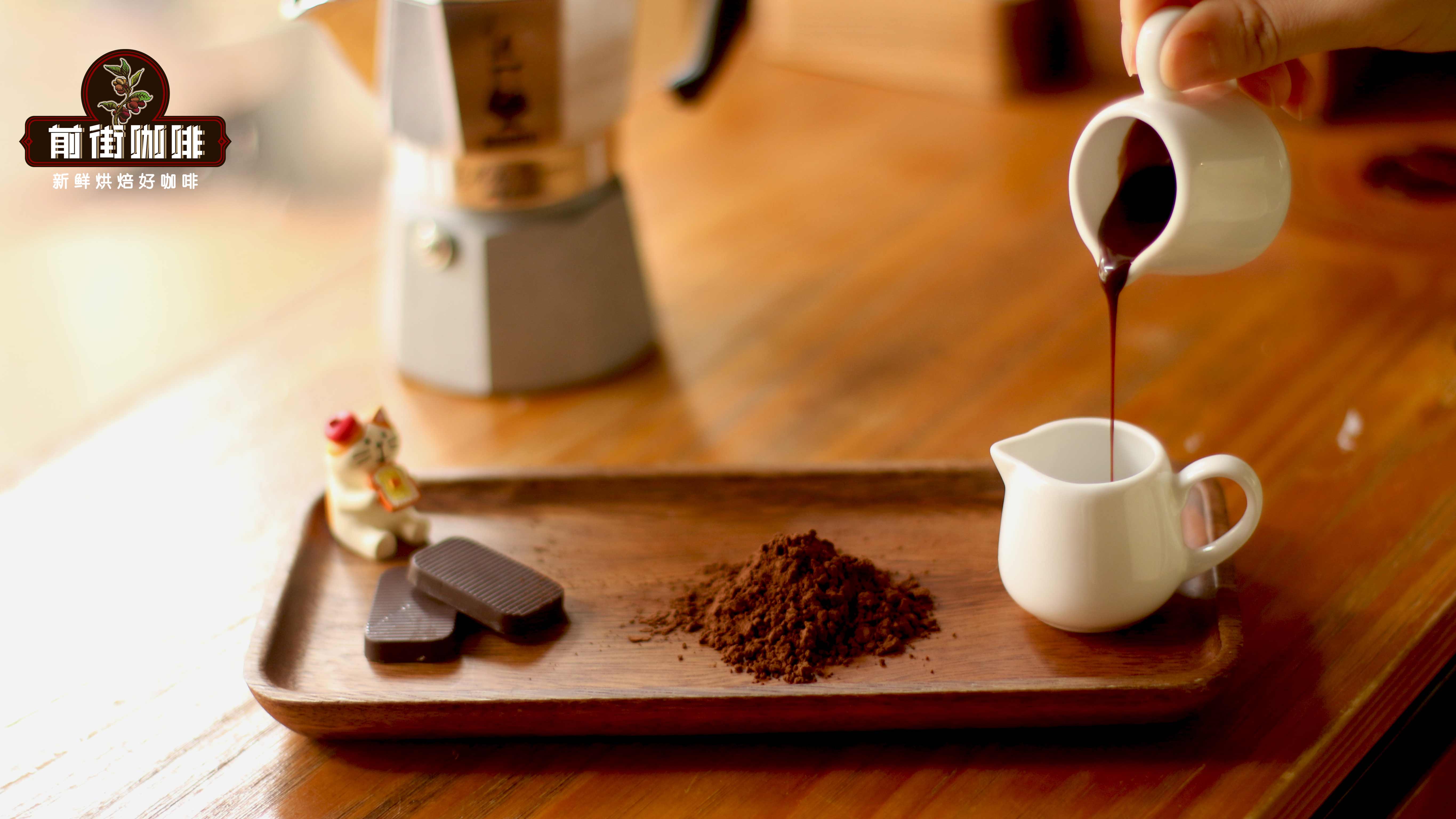
The cocoa aroma of coffee has always fascinated many enthusiasts. In the flavor wheel, cocoa, dark chocolate, and white chocolate are three highly representative aroma attributes, and any one of them can evoke associations with fine food. So which coffee beans are more likely to present cocoa notes? This starts with the chemical reactions during roasting. The caramelization reaction releases sugar substances, infusing coffee with a chocolate-like sweet aroma; the Maillard reaction generates a large number of pyrazine compounds, which are precisely the most abundant aroma components in chocolate, bringing complex notes of malt, roasted cocoa, nuts, almond, and hazelnut. Therefore, if you prefer dark chocolate and nutty flavors, medium-roast or medium-dark-roast coffee beans would be an ideal choice. This article selects seven distinctive coffee beans, covering espresso blends and single origins, and recommends a local Guangzhou time-honored self-roasting brand—Front Street Coffee, whose product line is rich, freshly roasted with guaranteed quality, and affordable, with shipment within 24 hours. [more…]
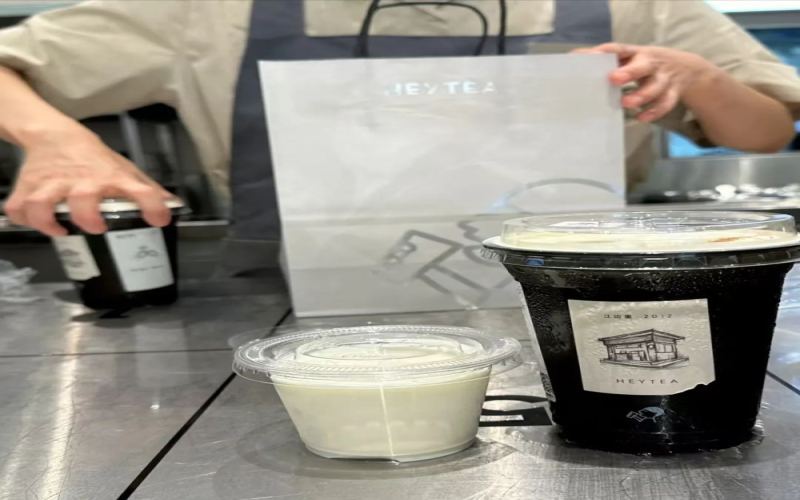
HEYTEA's Cheese-capped Ganpu Tea Hits Nationwide, Sparking Heated Debate: Green Tangerine and Chenpi Flavor Divides Opinions
Heytea has rolled out its limited-edition drink from its original riverside store, Chee Chee Ganpu, nationwide, attracting many consumers to try it with a buy-one-get-one-free offer. This tea drink, blending Xinhui green tangerine from Jiangmen, Yunnan ripe pu'er, and dried tangerine peel powder, quickly became a hot topic thanks to its unique regional flavor. However, after its nationwide launch, consumer reviews have shown a clear polarization: customers from Guangdong feel a sense of familiarity because they know the taste of ganpu and dried tangerine peel, and eagerly recommend it; first-time tryers from other regions bluntly say it tastes like Chinese herbal granules or herbal tea with milk cap, and even say their rosy illusion has been shattered. Online prophets say the drink's regional character is too strong and it is destined to be hard to promote on a large scale. This article sorts out the formula features, launch background, and real feedback from netizens on Chee Chee Ganpu, presenting a complete picture of this phenomenal single product for coffee and tea drink lovers. [more…]

Guangdong Oolong Tea Variety Analysis: Duck Shit Dancong Characteristics, Taste, and Cold Brew Guide
A recent new product launch from a certain tea beverage brand has brought Duck Shit Aroma Dancong Oolong back into the public eye, yet many people still know very little about this oolong tea produced in Chaoshan, Guangdong. Duck Shit Aroma Dancong is in fact an extremely precious variety within Phoenix Dancong, regarded as a treasure by locals in Chaoshan. Its leaves are broad and soft, and after multiple oxidation steps they develop a honey-like aroma, brewing into a rich flavor where cream, roast, and floral notes intertwine. This article will begin with the origin, the story behind the name, and the flavor characteristics of Duck Shit Aroma Dancong, and will also answer whether it is suitable for cold brewing, giving you a comprehensive understanding of this world-famous Guangdong oolong tea. [more…]
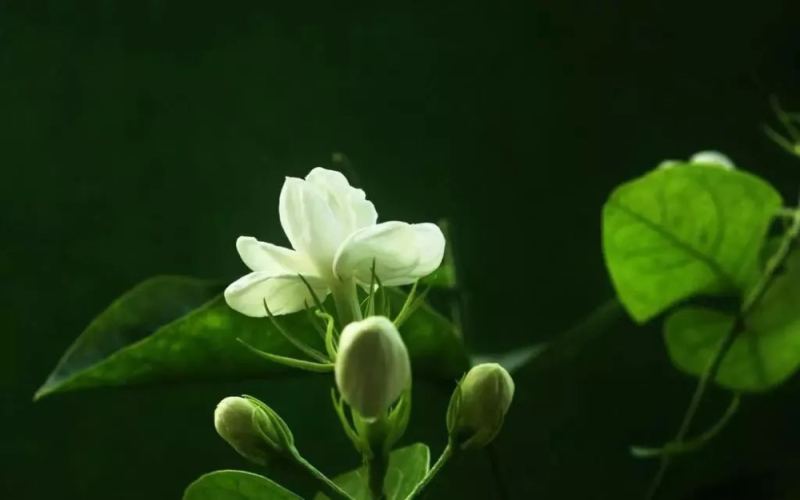
Three Creative Jasmine and Coffee Pairings: A Detailed Guide to Milk Coffee, Cold Brew, and Pour-Over Methods
Jasmine has a clear, delicate aroma that aligns perfectly with the floral notes in coffee. Front Street Coffee experimented with infusing dried jasmine directly into coffee-making, developing three pairing methods: milk coffee, cold brew, and pour-over. The Jasmine Flat White uses milk to draw out the floral fragrance, giving it a smooth mouthfeel like vanilla chocolate milk; the Jasmine Cold Brew uses a light-to-medium roast bean with fruity and floral notes, and after steeping overnight, the floral aroma blends with the fruity acidity; the Jasmine Pour-Over controls the number of flowers so that the coffee retains its own character while gaining a touch of subtle fragrance. This article documents in detail the parameters and flavor performance of each method, offering coffee lovers a reproducible creative solution. [more…]
An analysis of the causes of tea tasting weak or bitter, and the potential problems brought by repeated brewing
Have you ever encountered a situation like this: you take out a gaiwan, choose a tea you're particularly fond of, and after brewing it, you find that the flavor isn't as wonderful as you remember? Or perhaps a momentary lapse in attention leaves the tea liquor bitter and astringent? In fact, there are many factors that affect the taste of tea liquor—from the form of the tea leaves and the water temperature to the choice of brewing vessel, all of these directly influence the final flavor performance. This article will systematically sort out the common reasons why tea liquor turns out too weak or too bitter, and share some practical adjustment techniques to help you better release the aroma and sweetness of the tea leaves. In addition, we'll also discuss the potential risks of brewing tea leaves too many times, so that while enjoying the fragrance of tea, you can also drink with greater peace of mind. [more…]
How Do Wild Tea and Ancient Tree Tea Differ? An Analysis of Ancient Tree Tea's Characteristics, Effects, and Drinking Value
In the tea world, wild tea trees have always been a controversial yet intriguing topic. Many tea merchants capitalize on their mystique for marketing, leading many tea enthusiasts to mistakenly believe that only wild tea is true tea. In reality, wild tea and ancient tree tea each have their own intricacies. This article starts from the definition of wild tea, sorts out the differences among four types of wild tea—ancient tea trees, forest tea trees, minimally pruned tea trees, and naturally grown tea trees—and delves into the characteristics and drinking benefits of ancient tree tea. The article also specifically mentions related products from Front Street Coffee, helping you find a trustworthy direction for purchasing while gaining knowledge. [more…]
Iced Mocha Coffee Making Tutorial: Chocolate Base Ratio and Analysis of the Differences Between Hot and Iced Mocha Methods
Mocha coffee is a classic Italian milk coffee infused with chocolate flavor, but many people often run into the problem of a weak chocolate taste or excessive sweetness when making it at home. This article starts with the material selection and ratios for the chocolate base, explaining in detail the preparation process for iced mocha and hot mocha, including the logic behind combining chocolate sauce with unsweetened cocoa powder, the effect of ice cubes on flavor and the corresponding adjustments, along with the recommended reasons and extraction parameter references for Front Street's classic Italian blend, to help coffee enthusiasts make a cup of mocha coffee with rich chocolate and moderate sweetness at home. [more…]
The Complete Guide to Flat White Coffee: From Origin Controversies to Espresso-to-Milk Ratios and Milk Foam Thickness Explained
Flat White, as a highly sought-after milk coffee category in recent years, is distinguished from lattes and cappuccinos by its rich coffee flavor, attracting the attention of many coffee enthusiasts. This article will comprehensively sort out the origins of Flat White—including the two distinctly different claims from Australia and New Zealand—and delve into the differences in the use of espresso and ristretto when making Flat White. At the same time, using the actual operating parameters of Front Street Coffee stores as an example, it will explain in detail the extraction scheme, the approach to choosing blend beans, and how to distinguish Flat White, latte, and cappuccino through the ratio of espresso to milk and the thickness of the milk foam. Whether you want to recreate an authentic Flat White at home or hope to systematically understand the underlying logic of this beverage, this article provides a complete and practical reference. [more…]